Cultural Studies
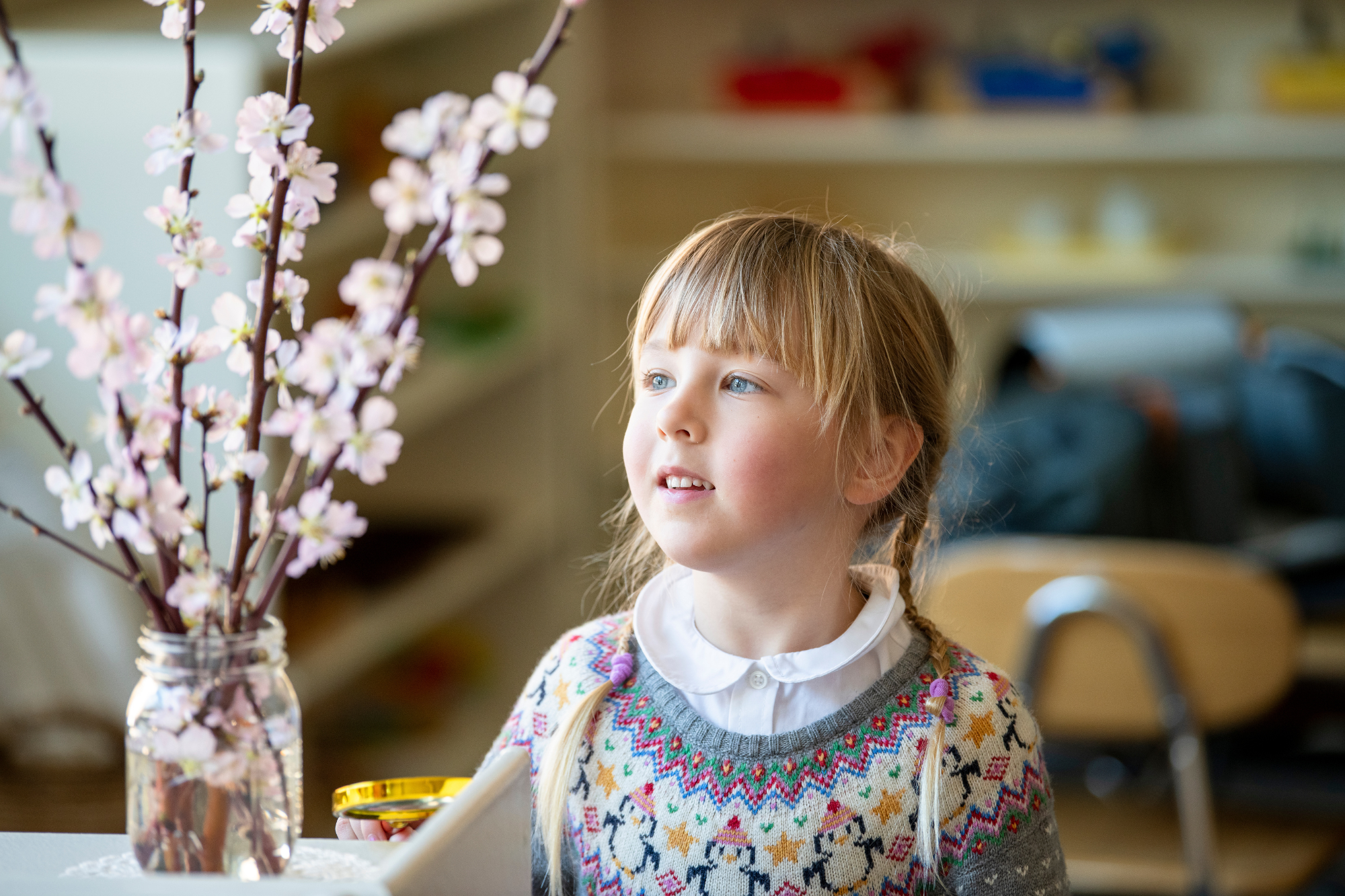
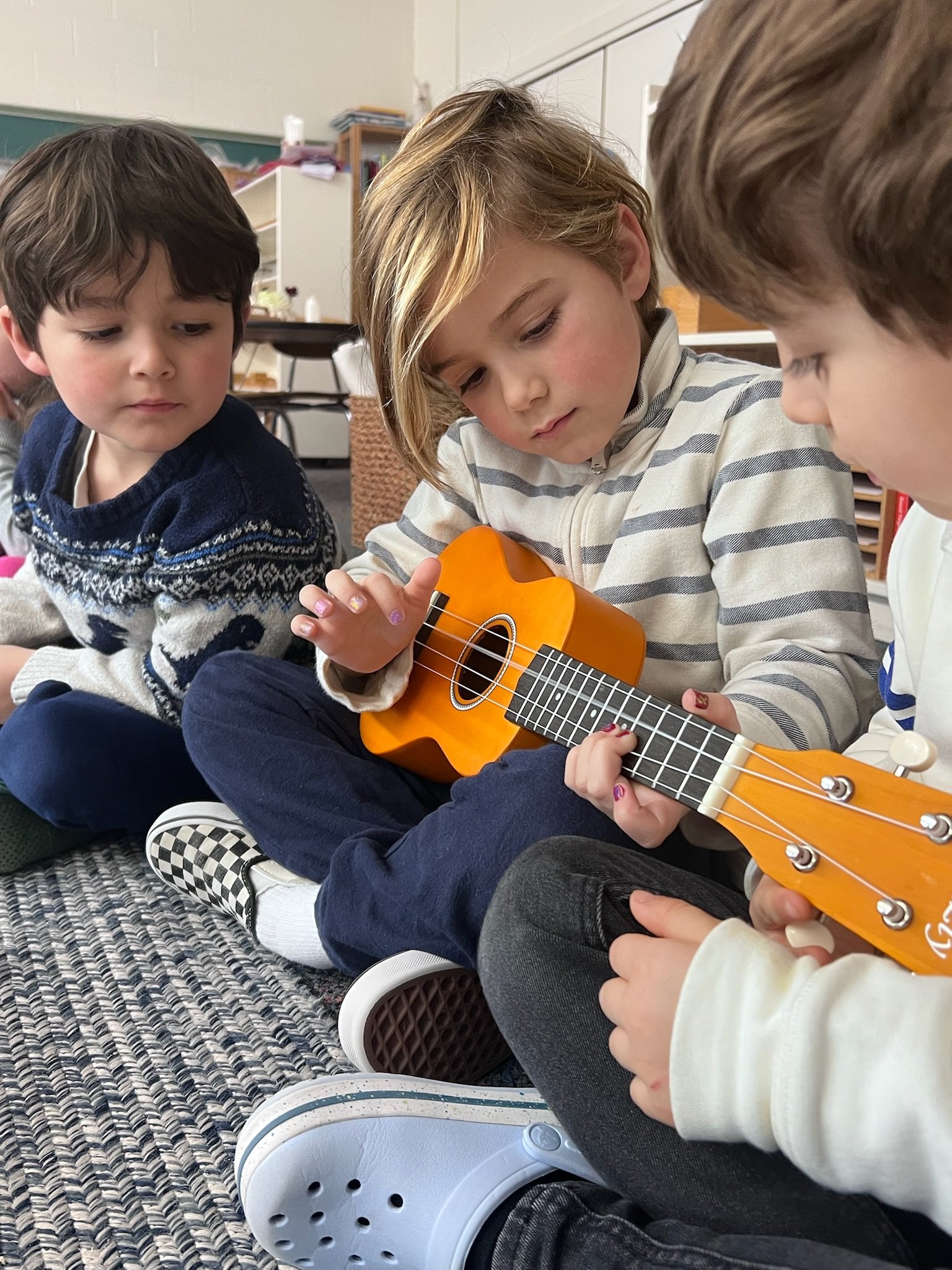
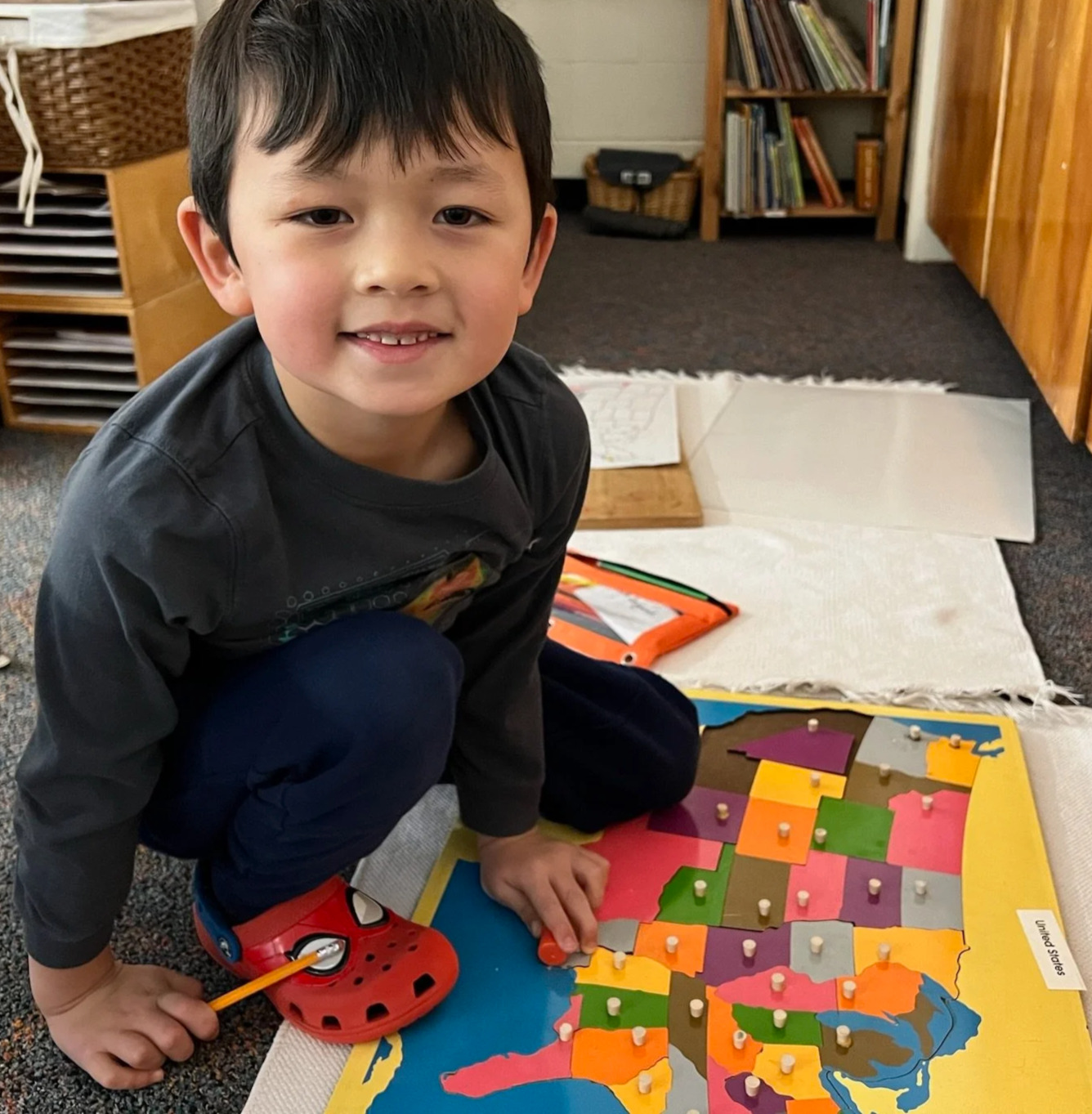
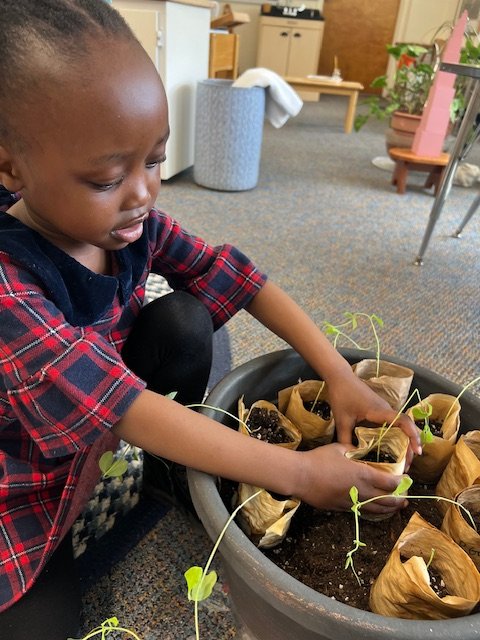
The Cultural Studies curriculum in the Montessori classroom encompasses geography, history, botany, biology, science, art, and music. Children explore these areas through direct, hands-on experiences—learning continents through songs and puzzle maps, constructing their own world maps, and studying the basic needs of people around the globe. By the third year, their inquiries deepen to include Land and Water Forms, indigenous animals, and natural resources. Botany and biology begin with identifying the parts of plants and animals, and extend to activities such as cultivating plants, gardening outdoors, tapping maple trees, and observing the life cycle of butterflies in each classroom.
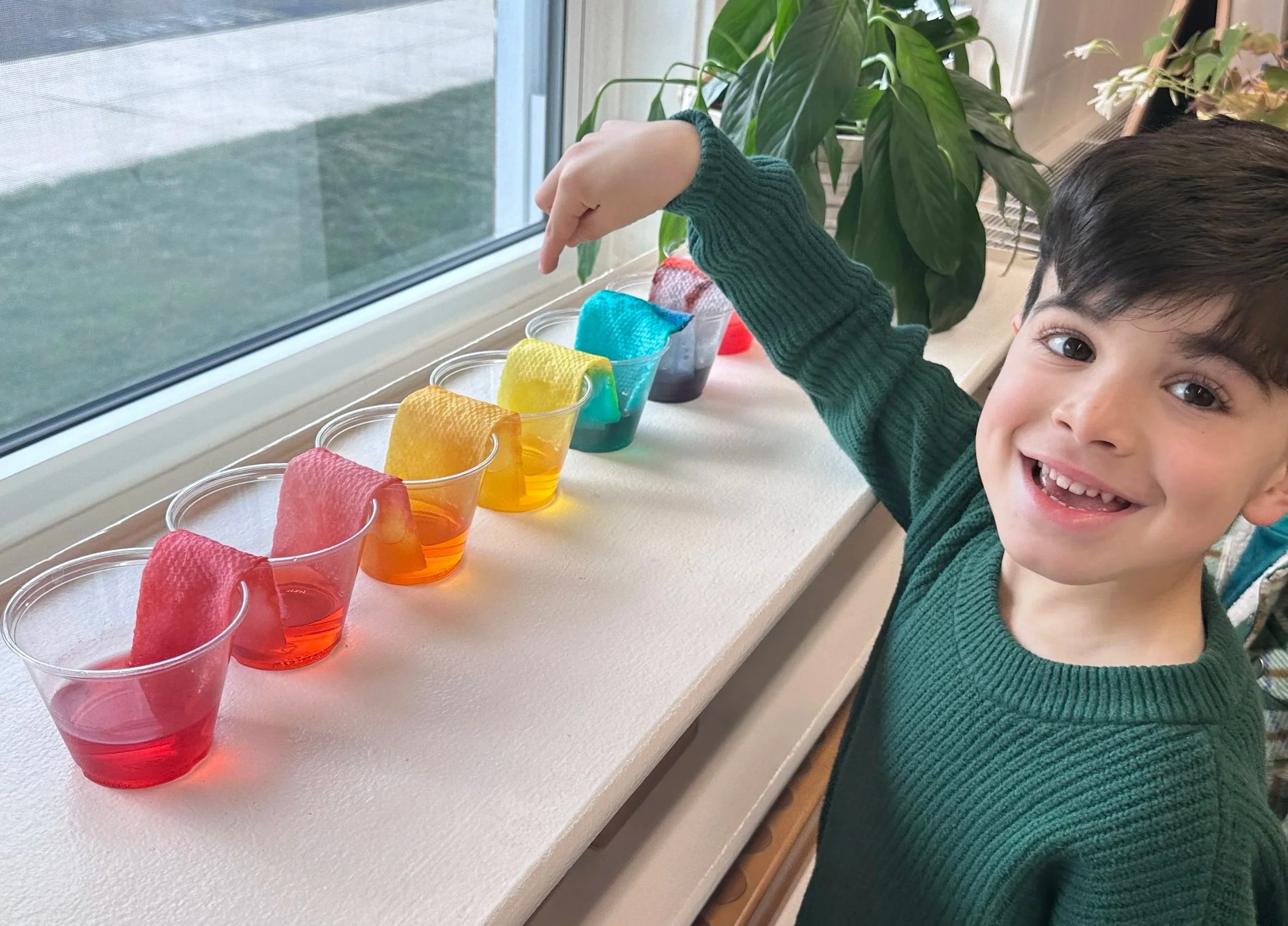
Children might trace and color maps of the continents, learn about different countries and cultures, study the parts of plants and animals, or observe simple science experiments that help explain how the natural world works.
By exploring the interconnectedness of nature, geography, and human cultures, children begin to develop both knowledge and respect for the diversity of life on Earth. Cultural Studies nurture a sense of global awareness and inspire young learners to see themselves as thoughtful and responsible members of a much larger world.